Source Cantilever Sliding Gate Nylon Roller for Gates, Doors, and Carriages
Explore 30 cantilever sliding gate nylon roller options to compare materials, sizes, and installation methods. This guide helps buyers evaluate steel bearings and zinc-plated surfaces for reliable gate and door applications; compare the available evidence and request quotations based on your requirements.
Key considerations
Products List


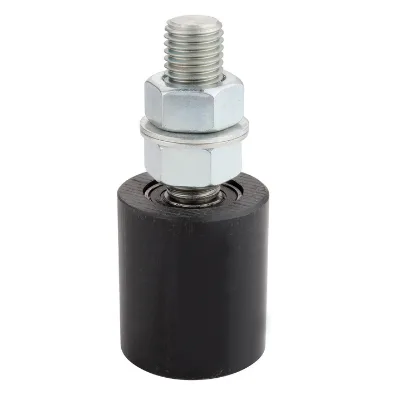
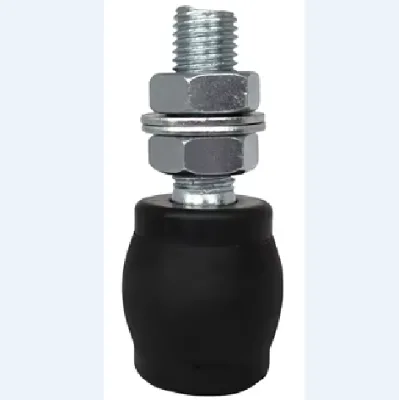


Comprehensive Sourcing Guide
Cantilever Sliding Gate Nylon Roller Sourcing Guide
Procurement professionals must first distinguish between standard sliding gate rollers and specialized cantilever carriage wheels, as the latter supports the entire gate weight without a bottom track. The observed product data indicates a clear market split where some units are explicitly designed for cantilever applications while others serve general sliding functions. Buyers should verify the specific functional designation in the product listing to ensure the component matches the gate's structural requirements, particularly regarding load distribution and track compatibility.
The material composition is a critical differentiator, with listings showing both nylon and steel Q235 options available in the same category. While nylon rollers offer quiet operation and corrosion resistance, steel variants provide higher load-bearing capacity for heavy-duty industrial gates. Sourcing teams must align the material choice with the environmental conditions of the installation site, ensuring that the selected roller type, whether nylon or steel, meets the durability expectations for the specific gate application.
Product Scope and Observed Listing Signals
The market presents a diverse range of models, including specific designations like NL40*100, NL40X60, and NLT40X60, which indicate varying dimensions and load capacities. Buyers should carefully cross-reference these model numbers against their gate's weight and track width to avoid compatibility issues. The presence of XL kits and splittable designs suggests that suppliers offer modular solutions for complex installations, requiring precise measurement verification before placing an order to ensure the selected kit fits the existing infrastructure.
Color and surface treatment options vary significantly, with listings showing galvanized white, yellow, black, and zinc-plated finishes. These aesthetic and protective choices often correlate with the underlying material and intended environment, such as coastal areas requiring enhanced corrosion resistance. Procurement teams must confirm that the observed color and treatment match the project specifications, as the visual finish often indicates the quality of the surface treatment process used to protect the steel or nylon core from environmental degradation.
Technical Specifications to Verify
Dimensional accuracy is paramount, with observed standards ranging from specific diameters like 50mm to general size categories of small, medium, and large. Buyers must verify the exact bearing specifications, noting that steel bearings are a common feature in high-performance units, while the overall weight of individual components can be as low as 0.112kg for lighter models. Ensuring the physical dimensions align with the gate's track system prevents operational friction and premature wear, which are common failure points in sliding gate mechanisms.
Installation requirements vary from simple bolt welding on steel gates to systems described as very easy or simple to install. The product data highlights that some units are designed for custom installation scenarios, necessitating a clear understanding of the mounting interface before procurement. Buyers should request detailed installation diagrams or videos to confirm that the selected roller's mounting method, whether bolted or welded, is compatible with their existing gate structure and the available on-site tools.
Compliance and Safety Documentation
Certification status is a key indicator of manufacturing quality, with observed listings frequently citing ISO, TUV, SGS, BV, and CE marks. These certifications suggest that the supplier adheres to international quality management and safety standards, which is essential for large-scale commercial projects. Procurement teams should verify the validity of these certificates and ensure they cover the specific product model being purchased, as generic certification claims may not apply to every variation within a product line.
Product standards and origin information provide additional context for quality assurance, with many items originating from Zhejiang, China, and adhering to Q235 steel standards. The presence of multiple certification bodies implies a robust quality control process, but buyers must confirm that the specific batch of goods meets the declared standards. Relying on the supplier's documentation to validate that the materials and manufacturing processes align with the stated certifications is a necessary step to mitigate risk in the supply chain.
Cost Drivers and Commercial Terms
Pricing structures in this category show a wide observed range from 0.1 to 1000 USD, driven by factors such as material type, bearing quality, and order volume. The minimum order quantity (MOQ) varies significantly, with some listings requiring as few as 2 units while others demand 2000 or 100 pieces. Buyers must calculate the total landed cost, including shipping and potential bulk discounts, to determine the most economical procurement strategy that balances inventory needs with cash flow constraints.
Lead times and delivery schedules are critical for project planning, with observed delivery windows ranging from 8 to 20 days. Customization options are widely available, which can extend lead times and affect the final unit price. Procurement teams should negotiate clear delivery dates and confirm whether the quoted price includes packaging and handling, as the standard packing method involves polybags, cartons, and pallets to ensure safe transit.
Supplier Qualification and Quality Control
Supplier reliability is often indicated by their ability to offer customized solutions and maintain consistent product standards. The availability of open brands and modern design styles suggests a competitive market where suppliers differentiate through service and flexibility. Buyers should assess the supplier's capacity to handle custom orders, as the ability to tailor products to specific gate dimensions or functional requirements is a strong indicator of manufacturing maturity and responsiveness.
Quality control processes should be verified through the supplier's adherence to packing and shipping standards, which typically involve polybags, cartons, and pallets. The consistency of these packaging methods ensures that the rollers arrive without damage, preserving the integrity of the bearings and surface treatments. Procurement teams should request evidence of recent quality inspections or third-party testing reports to confirm that the supplier maintains high standards across all production batches.
Long-Term Procurement Checks
Sustainability and lifecycle management are essential considerations for gate hardware that operates in varying weather conditions. Buyers should evaluate the long-term performance of the selected material, whether nylon or steel, to ensure it withstands the specific environmental stresses of the installation site. Regular maintenance schedules and the availability of replacement parts should be discussed with the supplier to minimize downtime and extend the operational life of the gate system.
Future-proofing the procurement strategy involves maintaining a relationship with suppliers who can support ongoing customization and technical updates. As gate technology evolves, the ability to source compatible upgrades or new models becomes increasingly valuable. Establishing a clear communication channel for technical support and warranty claims ensures that the procurement team can address any performance issues promptly, safeguarding the investment in the gate infrastructure.
FAQs
What materials are used for cantilever sliding gate nylon rollers?
These rollers are typically constructed from high-strength Nylon or Steel Q235. Nylon variants offer smooth operation and corrosion resistance, while steel options provide heavy-duty load bearing. Some models feature steel bearings within nylon housings to ensure durability and consistent performance for sliding and cantilever gate applications.
How are these rollers installed on steel gates?
Installation generally involves bolt welding directly onto the steel gate frame. This method ensures a secure and stable mounting point for the roller assembly. The process is designed to be simple and very easy for installers, allowing for quick integration into both new and existing gate structures without complex machinery.
What certifications do these gate rollers typically hold?
Manufacturers often provide ISO, TUV, SGS, and BV certifications to verify quality and safety standards. Some products also carry CE certification for European compliance. These documents assure buyers of material integrity and manufacturing consistency, which is critical for industrial and commercial gate hardware sourcing and regulatory adherence.
Can these rollers be customized for specific gate sizes?
Yes, customization is available for various gate dimensions and requirements. Buyers can specify models like NL40*100 or NL3040 to match their gate width and load needs. Customized options allow for tailored solutions, ensuring the roller fits perfectly within the gate system while maintaining structural integrity and smooth sliding functionality.
What is the typical delivery time for these products?
The standard delivery date ranges from 8 to 20 days after order confirmation. This timeframe allows for production, quality checks, and packaging. Buyers should account for this lead time when planning installation schedules, ensuring that the rollers arrive well before the required installation window to avoid project delays.
How are the rollers packaged for shipping?
Products are packed in polybags first, then placed in cartons, and finally palletized for secure transport. This multi-layer packaging protects the rollers from damage during transit. The standardized packing method ensures that items like NL40X60 or XL kits arrive in pristine condition, ready for immediate installation upon receipt.